Is A Portable Sawmill Right for You?

A portable sawmill is a machine that can be used to cut logs into lumber. It is a versatile and efficient tool that can be used by anyone who needs to produce their own lumber. In this article, we will discuss the basics of operating a portable sawmill and the steps that need to be taken to ensure that the sawmill is used safely and efficiently.
Before you begin operating a portable sawmill, it is important to ensure it is in good working condition. This means that all the moving parts are lubricated and that no broken or worn-out parts need to be replaced. It is also essential to ensure that the sawmill is properly level and that the cutting blades are sharp and properly aligned.
Once the sawmill is set up and ready to go, the first step in operating it is to select the log that you want to saw. This should be a relatively straight log, and that has no knots or other defects that could cause the sawmill to bind or stall. Once you have selected the log, you will need to position it on the bed of the sawmill so that it is lined up with the cutting blades.
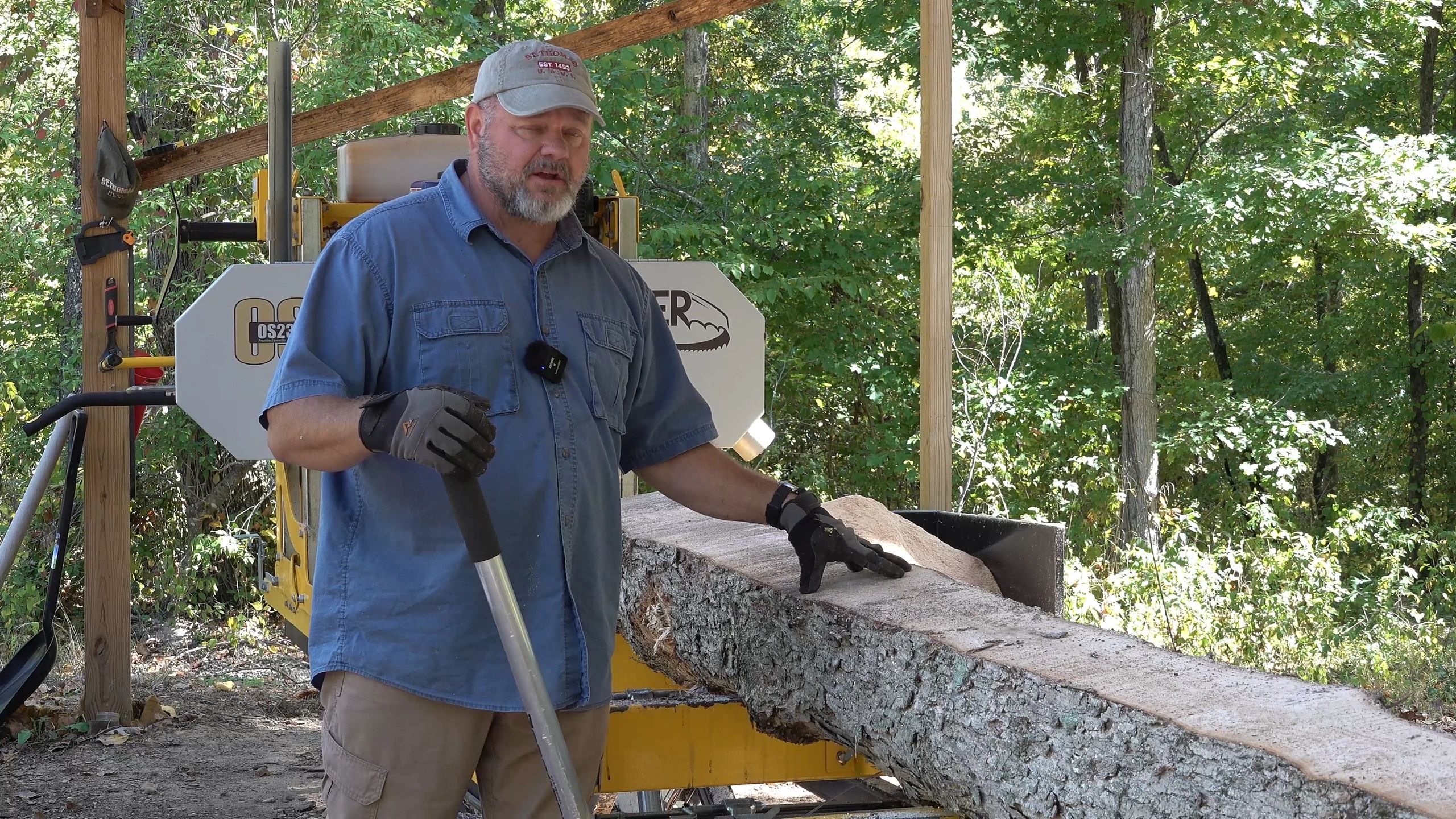
Once the log is properly positioned on the bed of the sawmill, you can begin cutting it into lumber. This is done by turning on the sawmill’s motor and then adjusting the cutting blades so that they are lined up with the log. As the blades begin to cut into the log, you will need to guide the log through the blades using the sawmill’s bed rollers.
As you guide the blade through the log, it is important to pay attention to the sawmill’s cutting speed and to make sure that the log is being cut at a consistent rate. If the sawmill’s cutting speed is too fast, the log may become jammed in the blades, which can cause damage to the sawmill or to the log. If the cutting speed is too slow, the log may not be cut evenly, which can result in uneven or low-quality lumber.
Once the log has been cut into the desired size and shape, you will need to remove it from the sawmill and stack it safely and securely. It is important to stack the lumber in a way that allows it to dry evenly and that prevents it from warping or twisting.
Safety is an important aspect when operating a portable sawmill; some key safety practices to keep in mind include:
- Always wear protective gear, including safety glasses, ear protection, and gloves.
- Keep all loose clothing and long hair tied back to avoid getting caught in the saw blades.
- Keep the sawmill’s blades sharp and properly aligned to reduce the risk of binding or stalling.
- Never attempt to remove a jammed log while the sawmill’s motor is still running.
- Keep the sawmill’s motor and blades properly lubricated to reduce the risk of overheating or mechanical failure.
In conclusion, operating a portable sawmill is a relatively straightforward process requiring attention to detail, hard work, and a willingness to follow safety guidelines. With a bit of practice and patience, anyone can master the art of sawing their lumber and enjoy the benefits of a versatile and efficient tool for all their woodworking needs.